http://blog.markalisonphotography.com/fpc-jan2014
February 2014 Competition Results
-

- Award – Print Special Effects, Gail Dohrmann, Surreal Garden of the Gods
-
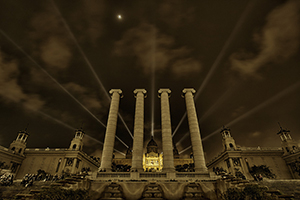
- Award – Digital Special Realism, Dan Joder, Night at the Museum
-
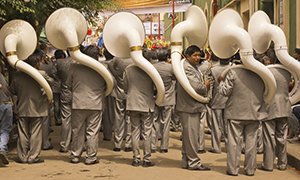
- Award – Digital Realism, Jim Downs, Carnival in Ururo, Bolivia
-

- Award – Digital Special Topic, Juli Scalzi, Faceless
-
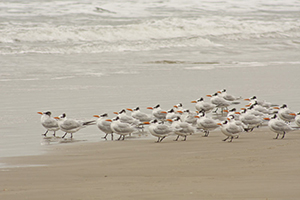
- Award – Digital Realism, Dwight Steussy, Look
-
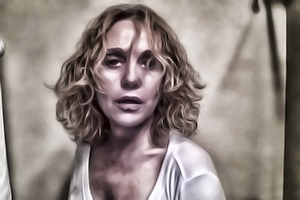
- Award – Digital Special Effects, Maria Rosa Fuste, Rosa
-
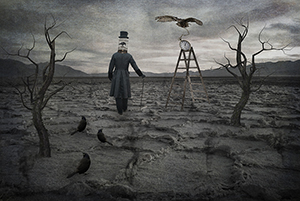
- Award – Digital Special Topic, Juli Scalzi, The Magician
-

- Award – Digital Realism, Vandy Vandervort, Lines of Time
-

- Award – Print Realism, Dan Joder, The Pier
-

- Award – Print Realism, Jim Downs, River Life
Monthly Meeting Change of Venue
Gary Fifer, Flatirons Photo Club’s primary contact at Har Hashem, has changed our meeting venue back to the location where we met for a number of months after we started to gather at Har Hashem. Rather than going to the building closest to Baseline, continue south through the parking lot (you’re headed south when you turn off of Baseline). We will meet in the building that you will see on your right in a couple hundred feet or so. Use the parking lot just beyond and adjacent to this building and enter through the door on the right side.
Forney Museum offers club shooting of antique cars on Saturdays
To Whom It May Concern:
I wanted to let you know of another photography opportunity that I thought some of your participants/members might be interested in! The Forney Museum of Transportation does a Photography Club Session one Saturday a month.
The Saturday is intended to give photographers time to take behind the scenes pictures of our antique cars. By coming on the special Photo Club day you are allowed to get up close to the cars, behind the ropes.
All we ask for the Photo Club Saturdays is that if these photos are taken for commercial reasons they are given attribution on the photo or in the caption to the Forney Museum.
All we ask is that you call to RSVP for the event, just so we know how many people are planning on coming, and then you can pay upon arrival. Currently it is $20 non-members, $15 members, but we are thinking of changing it to $15 non-members, $10 members.
The remaining dates for this event are: 3/1, 4/5, 5/3, 6/7, 7/5, 8/2, 9/6, 10/4, 11/1, and 12/6. The time of the club is 8 a.m.-10 a.m. before the museum opens.
Please let me know if you have any further questions!
We hope to see you at a Photography Club Saturday!
—
Sincerely,
Caitlin Barrett
Event & Education Coordinator
Forney Museum of Transportation
4303 Brighton Blvd.
Denver, Co 80216
303-297-1113
fax 303-297-3113
www.forneymuseum.org
March 13, 2014 Program-Rich Wolf
We are fortunate to live in one of the most beautiful places on earth. My goal is to share the beauty of Colorado by drawing viewers into my images. I do this through the use of a technique known as photomerging. Some of my merged pictures consist of hundreds of individual photographs seamlessly quilted into a single panorama. The resulting prints are large and highly detailed. Another key advantage of this technique is that it permits me to achieve extreme depth of field by using multiple focus settings.The result can provide the feeling of being in the image.
My presentation covers the evolution of panoramic photography, how I merge multiple images, what I do with them with the resulting photos and where this photographic technique fits into the future of digital photography.
Rich Wolf 2/2014
January 2014 Competition Results
-

- Award – Digital Realism, Frank Weinzapfel, Ice Crystals
-
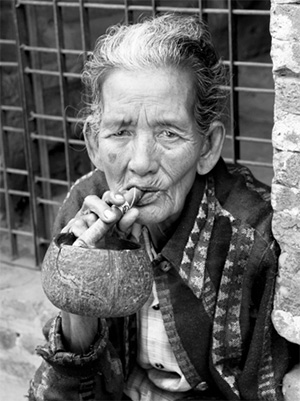
- Award – Print Realism, Vandy Vandervort, Charoot Smoker
-

- Award – Digital Special Effects, Gail Dohrmann, Statues in the Window
-
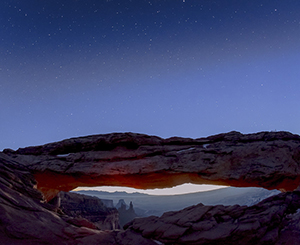
- Award – Digital Realism, Peter Bandurian, Starry Dawn
-
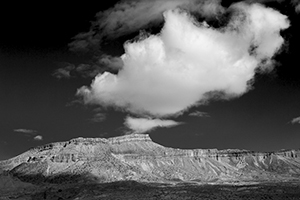
- Award – Digital Realism, Charlie Anderson, Badlands
-
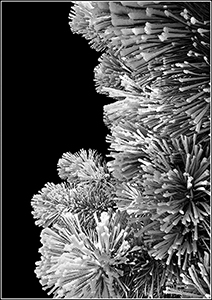
- Award – Digital Special Topic, Frank Weinzapfel, Frosted Evergreen
-
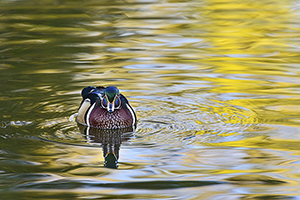
- Award – Digital Realism, Fee Chin, Wanna Swim with Me?
-
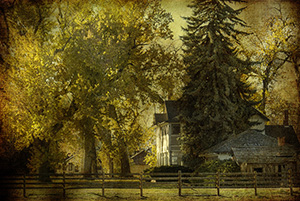
- Award – Print Special Effects, Gail Dohrmann, Afternoon at the Farmhouse
February 13, 2014-Dan Baumbach
With the advent of digital photography, many of us can master the craft of photography. Unfortunately, with the attention on the mastering the technical details, the artistry can get lost or in most cases is never developed. What’s much harder, is developing ones own vision or as I call it learning to see. A good technical background in service of rendering ones vision is what makes a great photographer. I’ll be talking about seeing and becoming in touch with ones own vision.
I’ve been taking photographs for over 30 years. I started out as a street shooter in New York City. When I graduated college I went into advertising and fashion photography for a short time. Now I live in Boulder and do abstract and nature photos.
http://www.timelesslight.com
January 9, 2014 Program- Utimate Composition with Mark Alison
In Mark’s presentation “Ultimate Composition” he will show us the age-old secrets of finding that beautiful angle, framing, and composition to take your art to the next level. Mark has been using this technique in his work for his entire professional career and it’s proven true every time.
Photographic Frontiers Study Group Meeting 01/08/14
Greetings and Happy New Year!
This is a reminder that the Photographic Frontiers Study Group (formerly the Digital Study Group) will have its first meeting of 2014 at 7 pm on January 8 at Mike’s Camera on Pearl Street in Boulder. The decision was made to change to January 2014’s second Wednesday because the first Wednesday of the month falls on New Year’s Day. Starting in February, we will return the meetings to the first Wednesday of the month.
Thomas Walsh will give a presentation on the basics of digital videography. Topics will include basic equipment, shooting, and post-processing. Though the focus will be on DSLRs and Photoshop, much of what will be covered can be directly used with other recording gear and software, including phones and Apple’s $15 iMovie.
If you’ve ever considered hitting that “Record Video” button but haven’t taken the leap, this meeting is for you.
Special Topics-2014
January-Winter
February-Composites
March-Macro
April-Architecture
May-Pareidolia http://en.wikipedia.org/wiki/Pareidolia
June-Reflections
July & August-Summer Break
September-Member Show
October-Festivals/Events
November-Action
December-Year-End Competition